
Okay — quick confession. I used to skim the fine print on wallets. Not proud of it. But after watching a few trades get sandwiched and a nostalgia for cheaper gas times, something changed. I started caring about how a wallet actually behaves in the wild: how it talks to dApps, how it predicts outcomes, and whether it blindly signs transactions that are basically traps.
DeFi feels shiny. But it’s messy under the hood. Short version: the protocol on-chain is only half the battle. The other half is what happens between your browser, the dApp, and the mempool. Fail that, and you end up paying the price—literally.
Let me walk through the problem and some practical fixes I use daily, including a wallet I recommend for pro-level features: rabby wallet.
First, a bit of grounding. There are three moving parts that matter more than people think: protocol design (AMMs, lending markets), dApp integration (how the front-end constructs and submits txns), and transaction routing (what miners/validators and bots do once a txn hits the mempool). They all interact, and sometimes they fight. Your wallet sits at the nexus. If it’s dumb, you pay for that mistake.
Where things go wrong — and fast
The simplest failure mode: a dApp asks you to approve or execute something, you click confirm, and bam—your swap is frontrun or sandwich attacked. Oof. That part bugs me. Seriously, it does.
On one hand, some of this is user education: people need to understand slippage, approval risks, and permit usage. Though actually, that’s only part of the solution. On the other hand, tooling can and should shoulder a lot of the cognitive load for users — by simulating outcomes, flagging MEV risk, and isolating approvals.
Consider a swap UI that shows an expected price but doesn’t simulate the transaction with current mempool conditions. Not great. A savvy wallet can do more: simulate the transaction against a snapshot of the chain state, estimate worst-case slippage, and warn about potential sandwich or liquidation risk. That is a huge UX win, and it saves people money.
I’m biased, but wallets should be more like copilots than signing machines. They should say “hey, your txn has a 30% chance of being MEV-targeted” rather than just flashing a gas fee and a confirm button. Little things matter: show gas burn estimates, whether a txn requires an on-chain approval, and whether that approval grants unlimited allowance.
Integration patterns that actually help
Okay, so what does good dApp-wallet integration look like? A few concrete patterns:
– Transaction simulation before signing. Run the txn locally against a recent state or use a replay node to replay mempool interactions. If the simulation shows a different outcome than the UI expected, warn the user. This isn’t theoretical — I’ve seen trades that would have reverted without simulation checks.
– Explicit approval flows. Offer scoped approvals (token-specific, time-limited, spend-limited) and show them clearly. Defaults should be conservative: no unlimited allowance by default. If a dApp asks for broad permission, the wallet should ask “why?” and require justification.
– MEV-aware routing. Instead of blindly sending raw txns, wallets can route through relays or private mempools when appropriate, reducing public exposure. Even partial solutions (e.g., batching non-critical transactions, delaying sensitive swaps, or suggesting higher gas with protected routing) make a difference.
MEV protection: myths and practicalities
Myth: MEV is only for high-frequency traders. Not true. Smaller swaps get targeted too if they’re profitable to attack. My instinct said smaller trades were safe — but then I watched a $200 swap get wrecked by a bot. Oof.
Practical MEV protections that matter to end users:
– Private relays and flashbots integration for high-risk transactions. This is the most effective obvious option: remove the txn from the public mempool so bots can’t see it. That said, it adds latency and sometimes cost.
– Transaction simulation to estimate extractable value. If the simulation says your intended swap will create arbitrage opportunities, the wallet should offer mitigations (split the swap, use a different route, or route privately).
– Gas-timing strategies. Smart wallets can suggest gas parameters to make a txn less attractive to sandwichers or align it to favorable blocks. Not magic, but it helps.
Why simulation is the feature you didn’t know you needed
Simulation is underrated. It’s not sexy. But it’s the closest thing to a crystal ball you get in DeFi. Simulate: see whether a swap would revert, whether slippage would exceed thresholds, whether an approval would be used, or whether downstream calls might drain funds when batched with other actions.
When a wallet simulates, a lot of risk becomes visible. The friction? Minimal. The benefit? Massive. And honestly, the best wallets are building this into the UX so users don’t need to be protocol devs to be safe.
Rabby wallet: a practical example
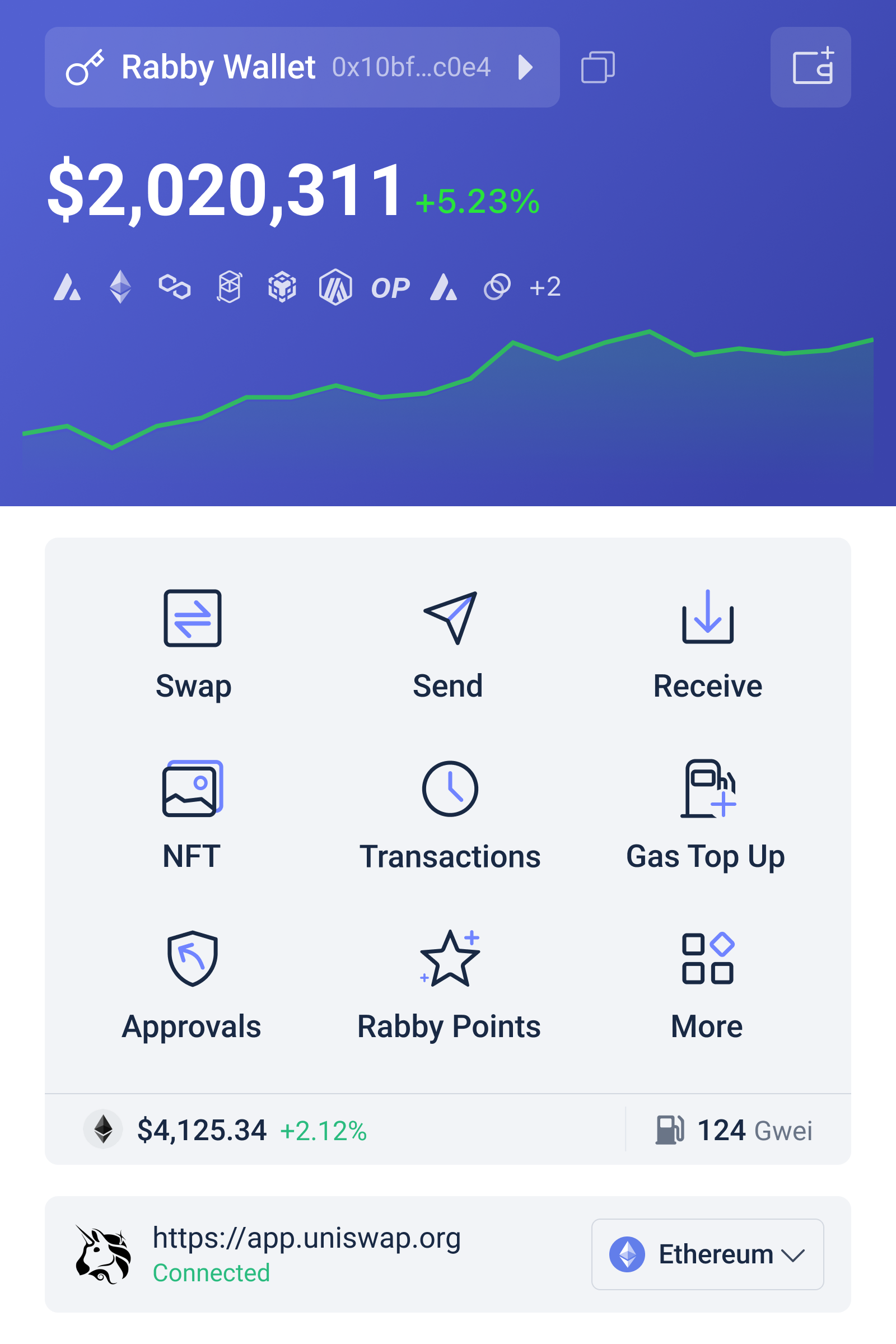
I’ve been testing wallets that bring these patterns together, and rabby wallet stands out for its pragmatic features: built-in simulation, clear approval management, and integration options aimed at lowering MEV exposure. I’m not saying it’s perfect — nothing is — but it’s a solid example of a wallet that’s thinking like a risk manager rather than a signature factory.
Use-cases where Rabby (or a wallet like it) helped me: catching a swap that would’ve reverted due to slippage; spotting an unlimited approval request buried in a dApp flow; selecting a private relay path for a sensitive txn. Those are small wins, but they save money and anxiety.
Developer and dApp responsibilities
Wallets can only do so much. dApps need to ship safer defaults too. Here are a few things that improve the entire stack:
– Expose simulated outcomes in the UI. If the backend can simulate, show it.
– Use permit patterns to avoid unnecessary approvals when possible.
– Offer route recommendations that prioritize protection, not just lowest fee.
Combine these with a wallet that simulates and you reduce a ton of common failure modes. It’s a team effort: UX teams, smart contract devs, and wallet engineers all have to coordinate.
FAQ
Q: How does transaction simulation differ from a dry-run?
A: In practice they’re the same idea, but simulation should account for mempool state, pending transactions, and possible front-running scenarios. A simple “does it revert on current state” dry-run is useful, but modern simulation tries to model adversarial behavior too.
Q: Should I always use private relays or flashbots?
A: Not always. Private relays add complexity and sometimes cost. For high-value or easily targeted transactions they’re worth it. For small, routine swaps, conservative approval handling and simulation may be sufficient. Balance risk and convenience.