
Wrong or insufficient education on the dangers of teen alcohol abuse is often responsible for the positive expectancy that fuels alcoholism. Abusing alcohol may contribute to many problems that affect your personal and professional life. The effects may range from minor problems such as bad hangovers to serious issues such as alcohol-induced accidents. Social problems also include saying or doing regrettable things while drunk. People may become more irritable, anxious, or even aggressive, especially when unable to drink.
- Your risk of malnutrition increases due to poor nutrient absorption and decreased appetite.
- Recognizing the signs of alcoholism, such as hiding or lying about drinking, is an essential step toward seeking help and embarking on the path to recovery.
- As the individual tries to abstain from alcohol after prolonged use, their body struggles to function without alcohol leading to mood changes.
- The body of an alcoholic goes through short and long-term changes from alcohol use.
- When speaking with your professional, it’s important to be as honest and detailed as possible.
Tip 2: Shifting Priorities and Neglecting Responsibilities
- It indicates a loss of control over one’s drinking habits and the potential progression toward alcohol dependency.
- Sunshine Behavioral Health strives to help people who are facing substance use disorder, addiction, mental health disorders, or a combination of these conditions.
- Many people develop puffy faces from excessive alcohol consumption due to water retention in facial tissues.
- Taking some drugs can be particularly risky, especially if you take high doses or combine them with other drugs or alcohol.
While these might be true to an extent, alcoholism is an incredibly nuanced and complicated disease. Alcoholism can affect anyone, regardless of whether they have a family, live in a house, or hold down a stable job. Understanding the relationship between neglect and alcoholism is crucial for early detection and intervention. Seeking professional help and support is essential in addressing alcoholism and its impact on responsibilities and overall well-being. Alcohol use disorder can be treated in both inpatient and outpatient settings, and alcohol recovery timelines can vary. Typically, detox takes 3-7 days, while alcoholism treatment can last for a few weeks or months, depending on the duration and severity of the condition.
Understanding Withdrawal Symptoms
Encourage your loved one to speak about how they feel and why they are drinking so much. Let them know you’re supportive and offer treatment options if they are willing to get help. You may consider intervention with other family members if you can’t handle it alone or your loved one is unwilling to seek help. There is a strong relationship between genetics and the development of alcohol use how to recognize signs and symptoms of alcoholism and alcohol abuse disorder.
When Should I Seek Help and Treatment?
Alcoholics can become incredibly irritable, angry, or violent when they are under the influence (especially when they’re confronted about their drinking). Additionally, alcoholics can become agitated, anxious, or depressed when they can’t obtain alcohol for whatever reason. While it might be hard to believe, many alcoholics feel as though they need to consume alcohol to function normally. Alcohol abuse causes people to behave differently than they usually would. If someone is excessively abusing alcohol over an extended period, they might experience alcohol-induced mood swings (aka alcoholic mood swings). It’s important to understand that alcoholism is a complex disease that requires professional help and support.

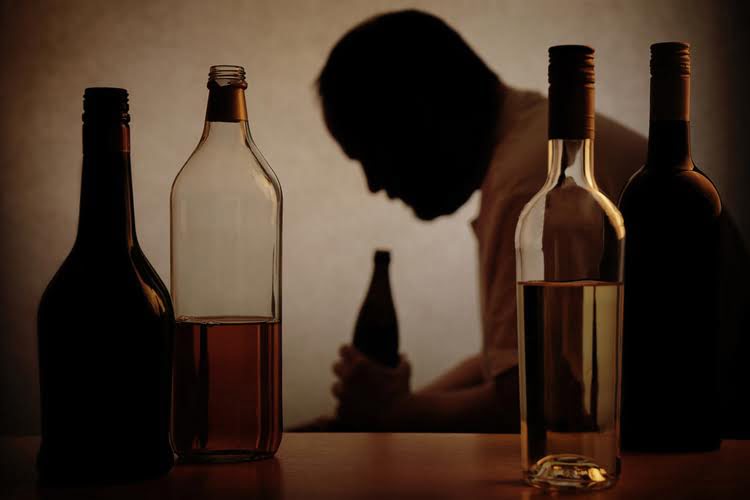
Professional intervention is necessary when you drive under the influence, engage in risky sexual behavior, or put yourself in dangerous situations while intoxicated. These alcoholic symptoms demonstrate impaired judgment that creates serious legal and personal consequences. Drinking in dangerous situations demonstrates a disregard for safety that characterizes alcohol abuse symptoms. This behavior includes consuming alcohol before or while driving, operating machinery, or engaging in activities that require clear judgment and coordination.
Tips 1-4: Spotting Key Behavioral & Psychological Red Flags
This adaptation often leads to a cycle of increased consumption to avoid withdrawal discomfort, further escalating both tolerance and dependence. Your skin may develop a yellowish tint due to liver dysfunction, while body odor becomes more pronounced due to metabolic changes and impaired liver function. Chronic drinking can cause vitamin A deficiency, leading to a grayish complexion. You might experience increased skin sensitivity, leading to conditions like eczema or psoriasis.
- This stage is marked by profound physical, psychological, and social decline.
- They might abandon hobbies they once loved, preferring to spend their time using.
- Sometimes just hearing “I care about you, and I want to help you find solutions” can crack open a door that seemed permanently shut.
- This can create a vicious cycle where negative emotions fuel drinking, leading to more problems and even more drinking.
People may start to experience digestive issues, high blood pressure, and an increased risk of liver disease. If you or someone you know shows physical signs of alcohol abuse, it’s essential to seek medical advice as soon as possible. One of the early warning signs of alcoholism is an increased tolerance to alcohol. This means that over time, individuals may require larger amounts of alcohol to achieve the desired effect. Higher tolerance can be a result of the body adapting to the presence of alcohol, which can lead to more frequent and excessive drinking.
Warning Signs of Substance and Alcohol Use Disorder
Our Drug Intervention Services can guide you through this process if it seems right for your situation. This highly potent opioid, which is 30 to 50 times stronger than heroin, is unfortunately involved in many fatal overdoses in the U.S. and can cause rapid and severe symptoms. If you suspect an opioid overdose, and if you have it available, please administer naloxone (Narcan) immediately, and then call 911. Another critical indicator is a change in their appearance, specifically blue or pale skin, lips, or nails. A bluish or grayish tint, especially around their lips and fingertips, means they aren’t getting enough oxygen.

Alcohol use may take priority and replace activities that once brought fulfillment. A person with AUD may give up or cut back on hobbies or activities they used to enjoy. The article below discusses each of what is alcoholism these criteria, treatment, and where to find support.